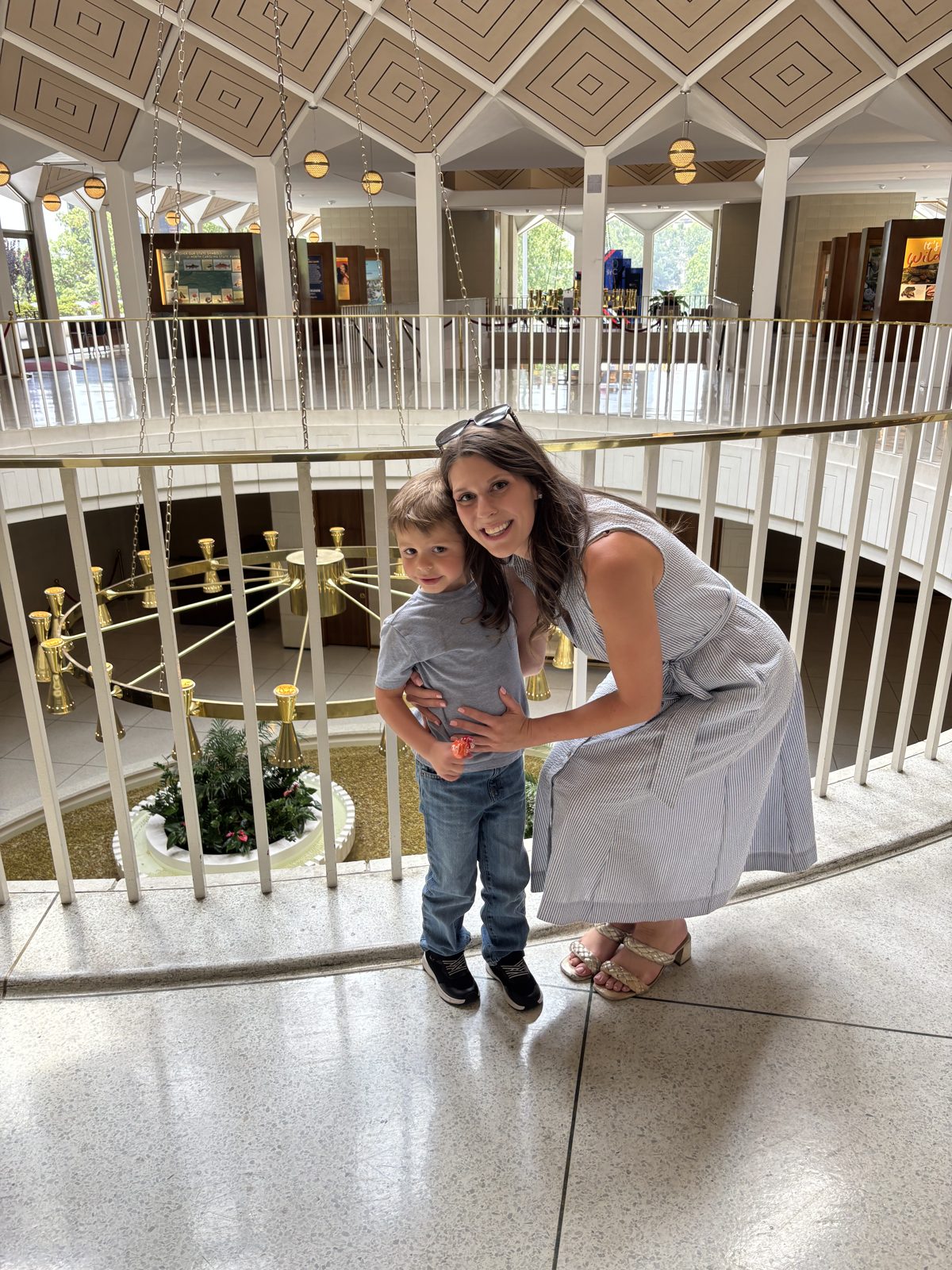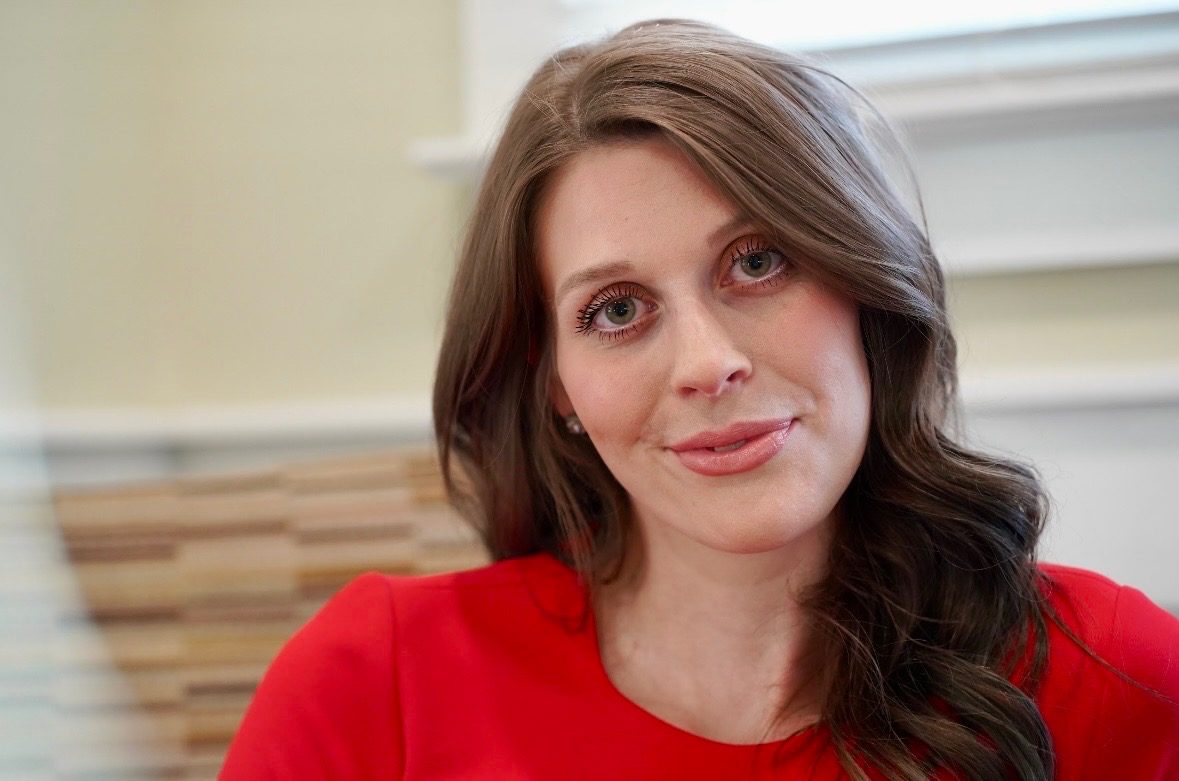
Around Johnston County, most people don’t call her Caitlin — they call her Goose. Her papa gave her the nickname when she was a baby, and like everything else her family planted in her, it took root and stayed.
Raised here
Caitlin moved to Johnston County when she was nine and spent her most formative years here — South Smithfield Elementary, McGee’s Crossroads Elementary, Crossroads Middle School, and a tenure at Cleveland High School. After a brief move to Wake County in 2019, she came home in 2023 to raise her three children in the county she has always considered home.
Generations in the ground
What fewer neighbors know is how deep her farming roots actually run. Caitlin comes from generations of farmers in Bladen County, where her family still owns 400 acres of undeveloped land, passed down generation to generation. She is the first in that long line who hasn’t had to work the land to survive — and she grew up working it anyway, spending her summers there, learning.
Her grandfather, a preacher, handed down more than a work ethic. He passed on a generational understanding of what respectful land ownership is: protecting it.
Granny’s garden
At fourteen, Caitlin went to live with him for a time to help care for her granny through her decline with dementia. Together they grew watermelon, sweet potatoes, and peanuts — and the garden became something granny could still root into as so much else faded. Caitlin learned more about soil health in those rows than any classroom ever taught her. She’ll also admit that the first time they pulled peanuts, she went looking for them on a bush — “not my brightest moment.”
Those years are the stake she brings to this race. It was never really about the peanuts — it’s about making sure our farmland, and our community, hold those lessons for generations to come.
Why Soil & Water
Caitlin looked at this campaign differently from the start, because this is what her passion actually looks like. During her run for the North Carolina Senate, extensive research into infrastructure, development, agriculture, and environmental policy left her passionate about protecting one of our most valuable resources — clean water — and the fertile farmland that depends on it. Watching rapid growth and urbanization strain the county she loves settled the question of what to do about it.
She has built a practical, multi-step approach that uses the resources the district already has in ways that look outside the box — because protecting what we value most sometimes means learning to play the game as well as the people reshaping the landscape do. And she frames the choice plainly: what’s the greater risk — staying the course that got us here, or trying something new before we’re too far gone?